In our dental office, we provide modern and painless dental treatments, with an individual approach to each patient and the highest quality standards.
.jpg)
Regular check-ups, professional teeth cleaning, tartar removal and advice on proper oral hygiene.
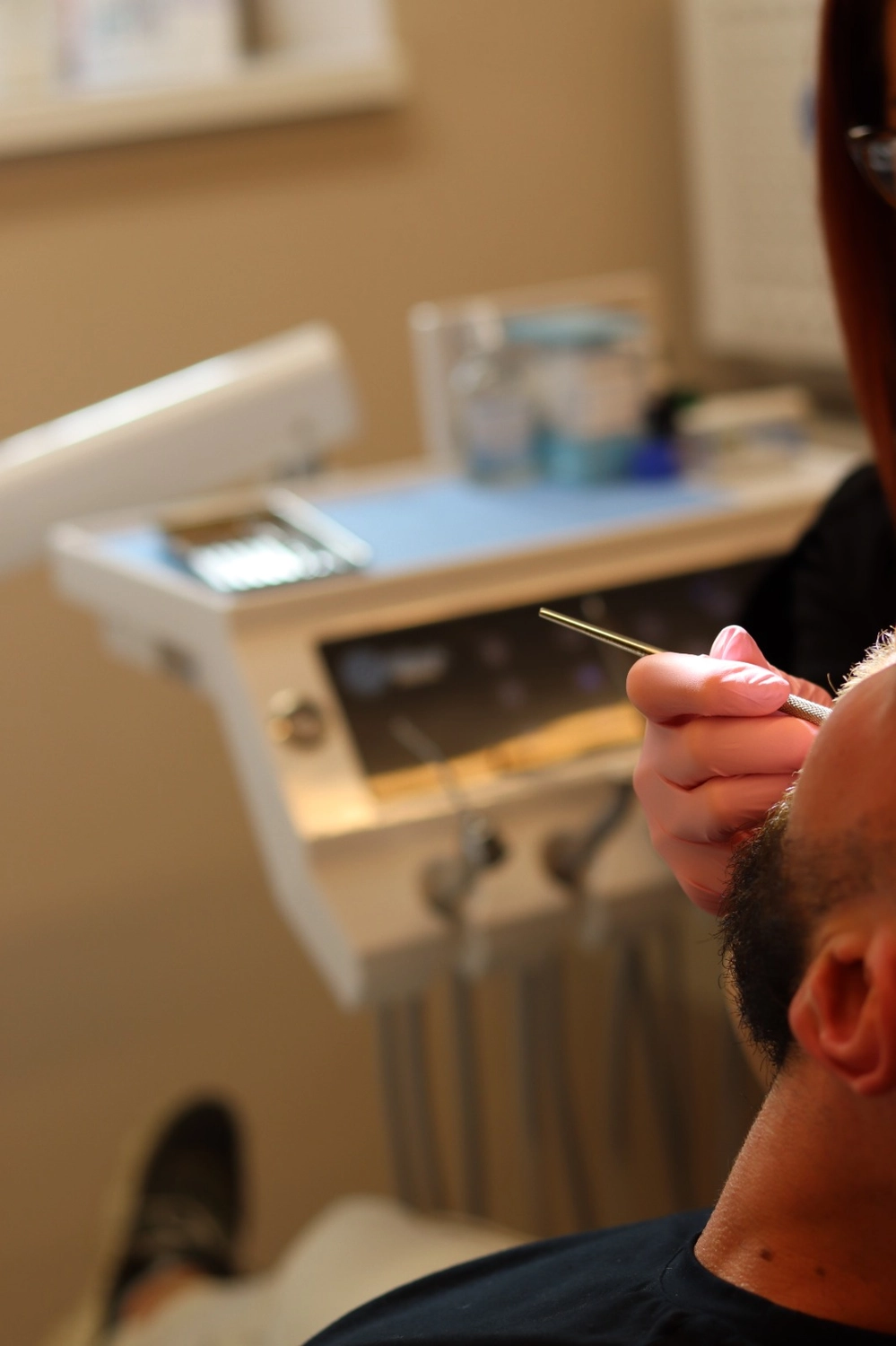
Dental restorations, cavity treatment, composite fillings and replacement of worn or damaged dental fillings.
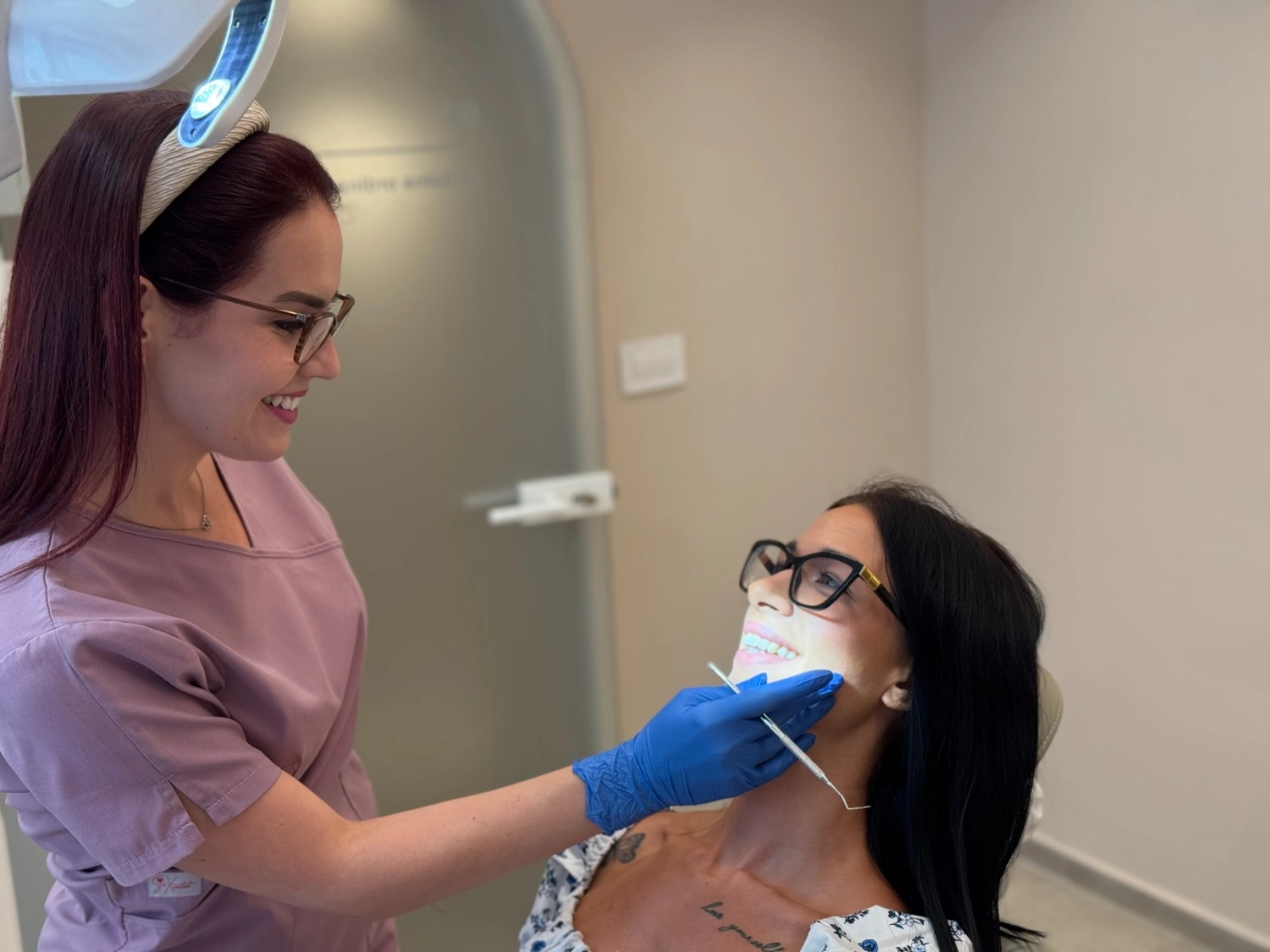
Treatment of teeth with inflamed or infected pulp, preservation of natural teeth and prevention of unnecessary extraction.

Tooth and wisdom tooth extraction, as well as minor oral surgical procedures under local anesthesia.
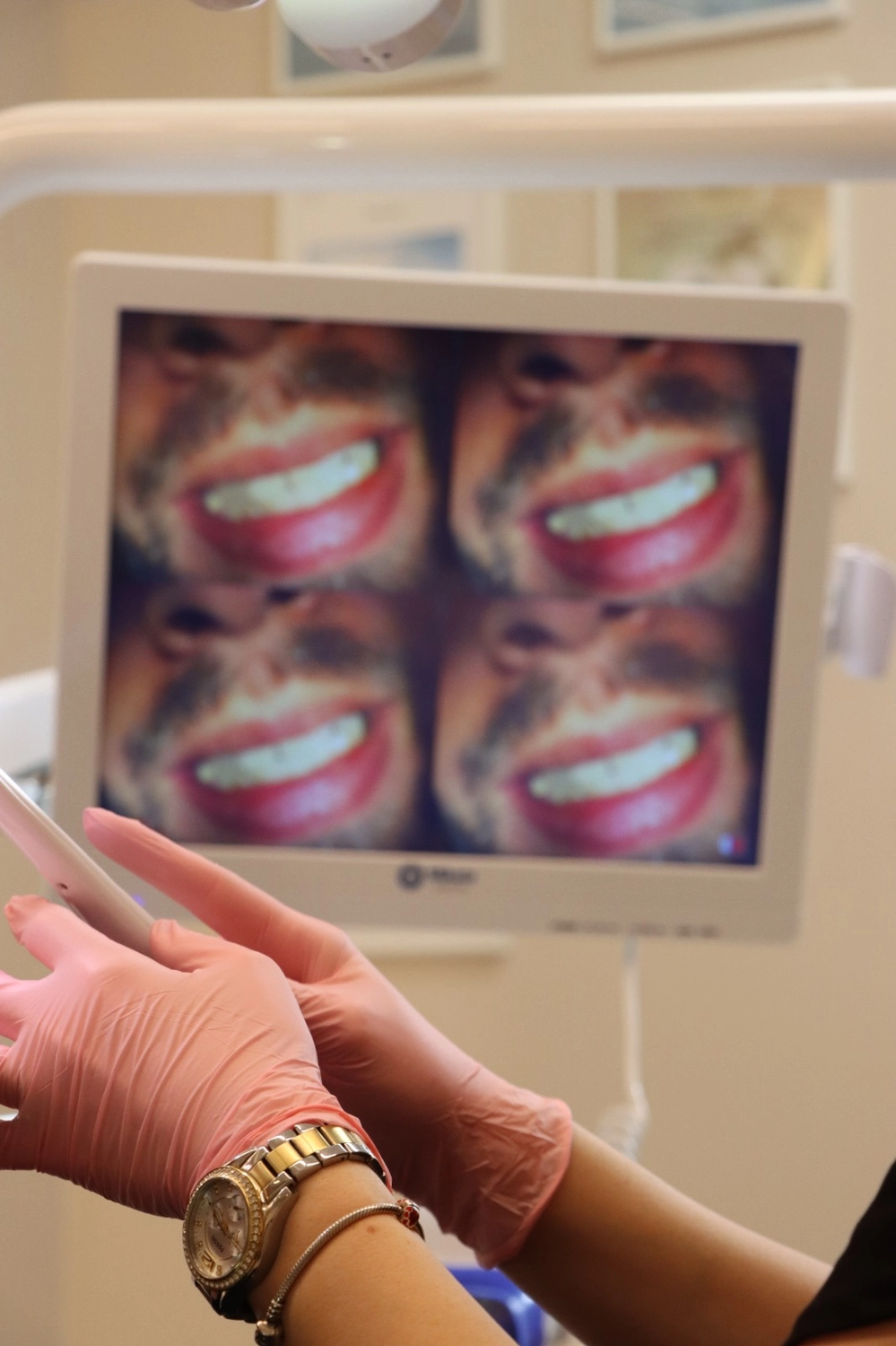
Crowns, bridges and dentures designed to restore function and improve the natural aesthetics of a smile.
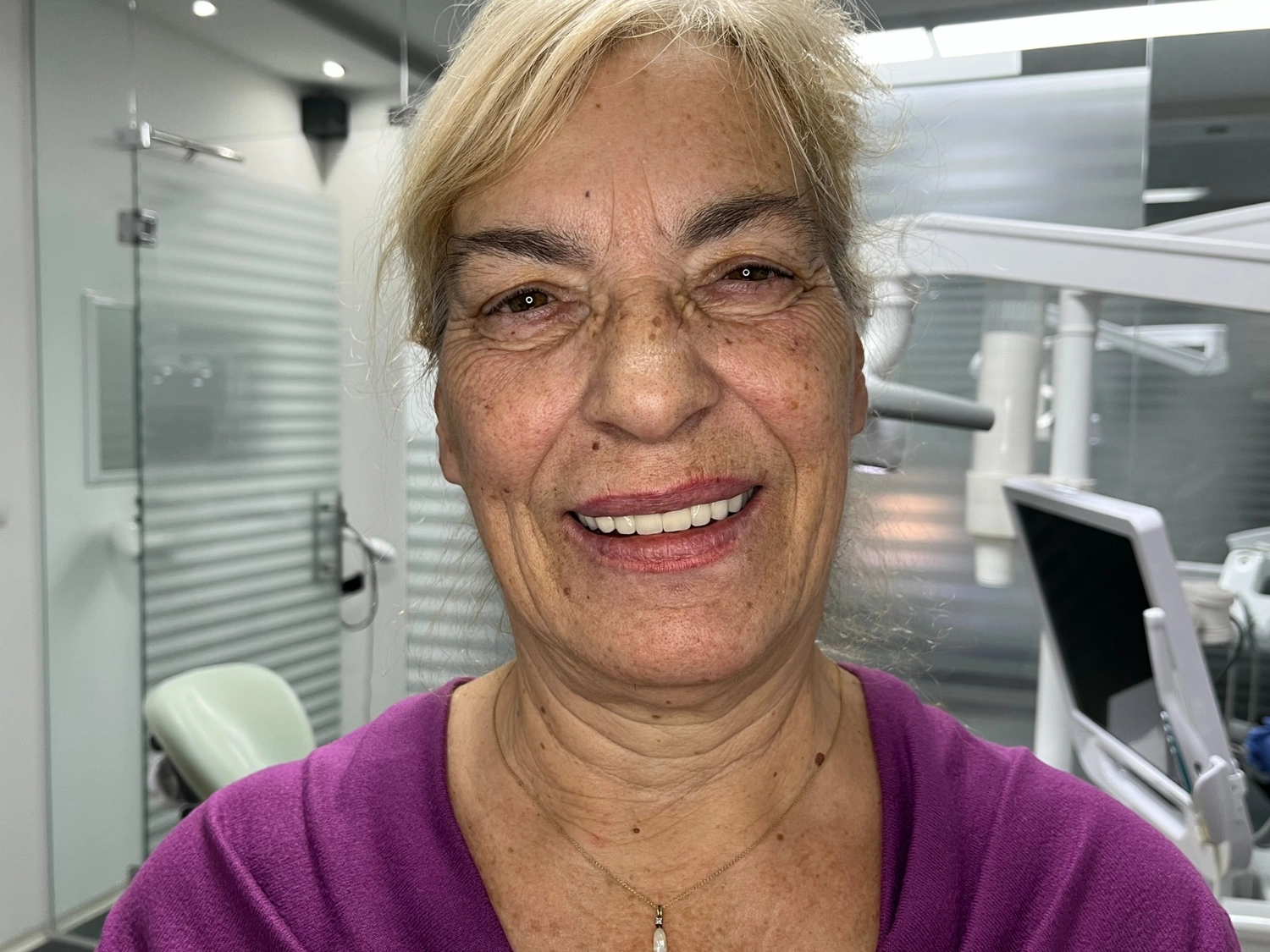
Teeth whitening, cosmetic dental corrections and smile enhancement treatments for safe results.

Gentle, patient-centered dental care, focused on prevention and customized treatments for children.

.avif)
Preventive dentistry is the foundation of modern oral health care. Its goal is to maintain the health of your teeth, gums, and the entire oral cavity, while preventing cavities, gum disease, and other oral problems. Prevention is not just about treating existing problems, but primarily about stopping them in time and detecting them early.
Preventive care includes regular dental checkups, during which the dentist assesses the condition of your teeth, gums, bite, and oral mucosa. These visits help detect potential problems at an early stage - when treatment is easier, more comfortable, and more cost-effective. Follow-up x-rays are often performed as part of preventive checkups to support a more accurate diagnosis.
A key part of preventive dentistry is professional teeth cleaning and the removal of tartar and plaque. This helps prevent the development of cavities, gingivitis, and periodontal disease. Polishing further smoothes the surface of your teeth, reduces bacteria buildup, and improves the aesthetic appearance of your smile.
Prevention also includes educating patients about proper oral hygiene: proper brushing techniques, flossing and interdental brushing, and dietary guidelines that support dental health. Special attention is paid to children through protective measures such as fissure filling and fluoride treatments, which provide additional protection against caries.
The long-term goal of preventive dentistry is to preserve natural teeth, reduce the need for invasive procedures and ensure a healthy, functional and attractive smile throughout life. Regular preventive care is the best investment in oral health and general well-being.

Restorative dentistry focuses on the restoration of damaged or missing teeth to restore function, aesthetics, and long-term oral stability. It includes modern treatment methods that address the consequences of caries, trauma, abrasion, and other forms of damage to tooth structure.
The essence of restorative dentistry is the treatment of caries and the reconstruction of teeth using modern aesthetic fillings (composite restorations) that closely mimic the natural color and shape of the tooth. Properly performed restorations allow for normal chewing function, prevent further tooth decay, and support the natural appearance of the smile.
Restorative procedures are often performed in conjunction with endodontic therapy (root canal treatment), which allows for the preservation of the natural tooth even after extensive damage. Special emphasis is placed on precise diagnostics, high-quality materials, and a minimally invasive approach, with the aim of preserving as much healthy tooth structure as possible.
The goal of restorative dentistry is to provide patients with healthy, functional, and aesthetically pleasing teeth while maximizing the preservation of natural structure. Timely restorations not only improve quality of life, but also help prevent more complex problems and the need for extensive dental interventions in the future.
Endodontics is a branch of dentistry that focuses on diagnosing and treating diseases of the dental pulp (dental nerve) and surrounding tissue within the root of a tooth. The goal of endodontic therapy is to preserve the natural tooth and prevent extraction - even in cases where the tooth is severely damaged or infected.
The most common reason for endodontic treatment is deep decay that has reached the pulp, as well as tooth injuries, cracks or repeated restorations that can lead to inflammation or necrosis of the pulp. Symptoms can include severe pain, sensitivity to hot and cold, swelling or discoloration of the tooth - although in some cases the condition can develop without obvious symptoms.
Endodontic therapy involves the careful removal of infected or necrotic tissue from the root canals, thorough cleaning and disinfection, and hermetic filling using modern materials. The procedures are performed with precision instruments, modern techniques and machine-assisted systems that allow for faster and more reliable work, ensuring a high level of accuracy and long-term success of the treatment.
After root canal treatment is complete, the tooth must be properly restored to restore full function and prevent re-introduction of bacteria. Depending on the extent of the damage, this may include an aesthetic filling or crown for additional protection.
The goal of endodontics is to provide comfortable and effective treatment, eliminate infection, and preserve natural teeth for as long as possible. Timely endodontic therapy allows patients to save their teeth, maintain proper chewing function, and preserve the aesthetics of their smile - significantly improving their quality of life.
In cases of more extensive tooth damage, inlays, onlays, crowns, and other prosthetic restorations may be indicated to further strengthen the tooth and extend its lifespan. These therapies are planned individually, taking into account the condition of the tooth, the bite, and the patient's aesthetic goals.
Oral surgery is a branch of dentistry that includes surgical procedures in the oral cavity, aimed at solving more complex dental problems and preserving the health of oral tissues. In everyday practice, oral surgery includes various types of tooth extractions, such as wisdom tooth extraction, extraction of severely damaged teeth and surgical removal of residual tooth roots.
Wisdom teeth often have to be removed when there is not enough space for proper eruption or when they cause pain, inflammation, pressure on neighboring teeth or other complications. The procedure is performed under local anesthesia, with careful planning and modern techniques that allow for safe extraction, minimal trauma and faster postoperative recovery.
Tooth extraction is performed when a tooth cannot be saved with conservative or restorative treatment due to advanced caries, infection, periodontal disease or tooth fracture. Atraumatic techniques are prioritized in order to preserve the surrounding bone and soft tissues, creating optimal conditions for further dental treatment.
Root canal therapy is a surgical procedure that removes tooth fragments that are left in the bone or gums, and which can become a source of chronic infection, pain or inflammation. Precise execution helps prevent complications and supports the health of surrounding tissues.
The goal of oral surgical interventions is to effectively and comfortably resolve problems, with maximum safety and care for the patient. Timely, professionally performed extractions help preserve oral health, prevent the spread of infection and create a stable foundation for further therapeutic or prosthetic procedures.
Prosthodontics focuses on replacing missing teeth and restoring the function, aesthetics and stability of the entire oral system. Modern prosthetic therapy aims to restore a natural smile, proper chewing and speech, and renewed confidence in everyday life.
Prosthetic solutions can be fixed or removable, depending on the patient's needs and oral health status.
Fixed prosthodontics Includes crowns and bridges, which are used to replace one or more missing teeth, while meeting high functional and aesthetic standards. Modern materials provide an exceptionally natural appearance, long-term durability and complete biocompatibility with the surrounding tissues.
Removable prosthodontics includes partial and complete dentures, which are a solution for patients with multiple missing teeth. These restorations are custom-made with special attention to stability, comfort and natural appearance, allowing normal chewing, speech and daily functioning.
Prosthetic treatment often requires an interdisciplinary approach and collaboration with restorative dentistry, endodontics and oral surgery to ensure long-term stability and quality. Each treatment plan is personalized, based on detailed diagnostics and precise planning.
The goal of prosthetic therapy is to restore proper function, protect the remaining teeth and tissues, and achieve a harmonious, natural smile. High-quality prosthetics significantly improve the quality of life and offer a long-term solution for tooth loss.
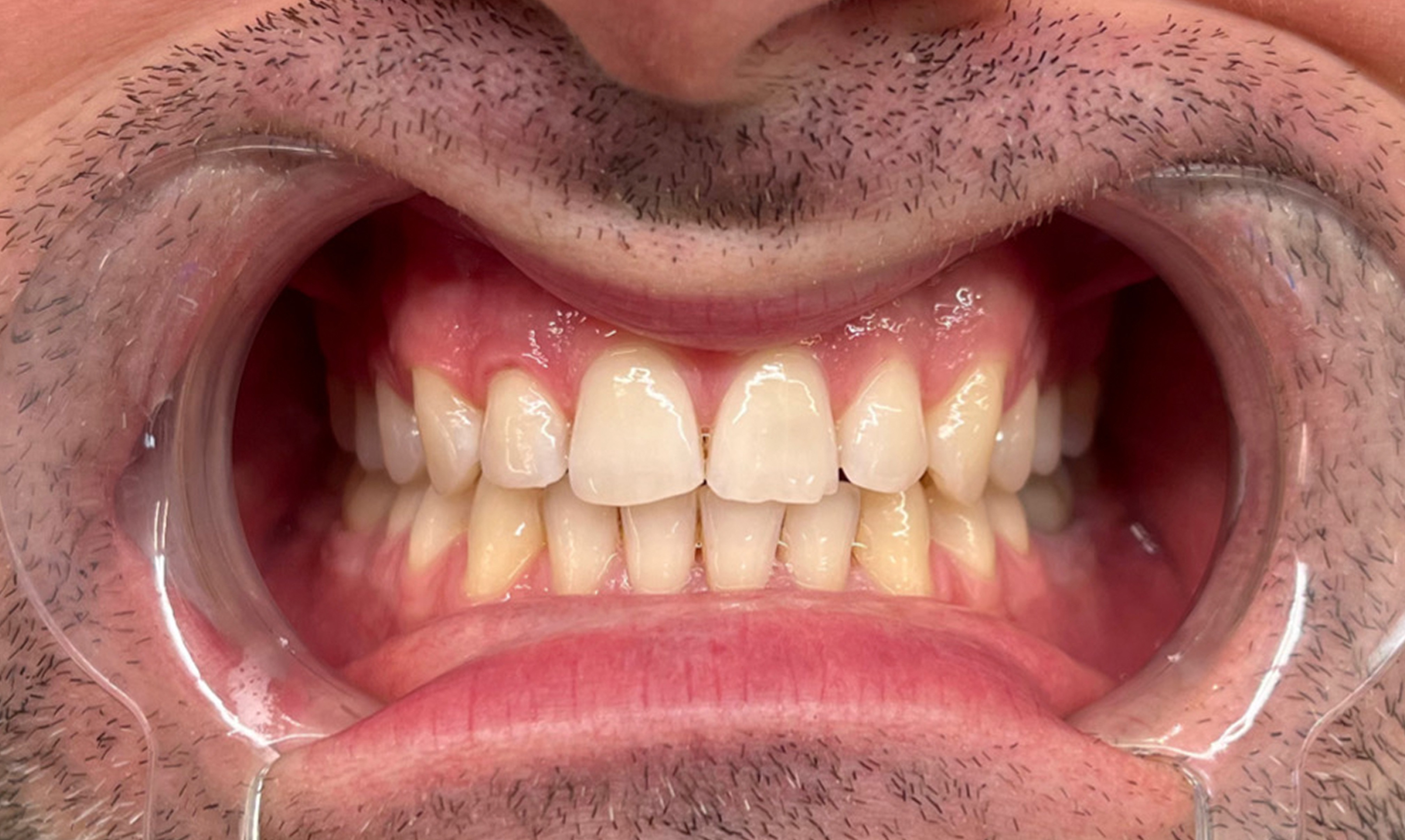
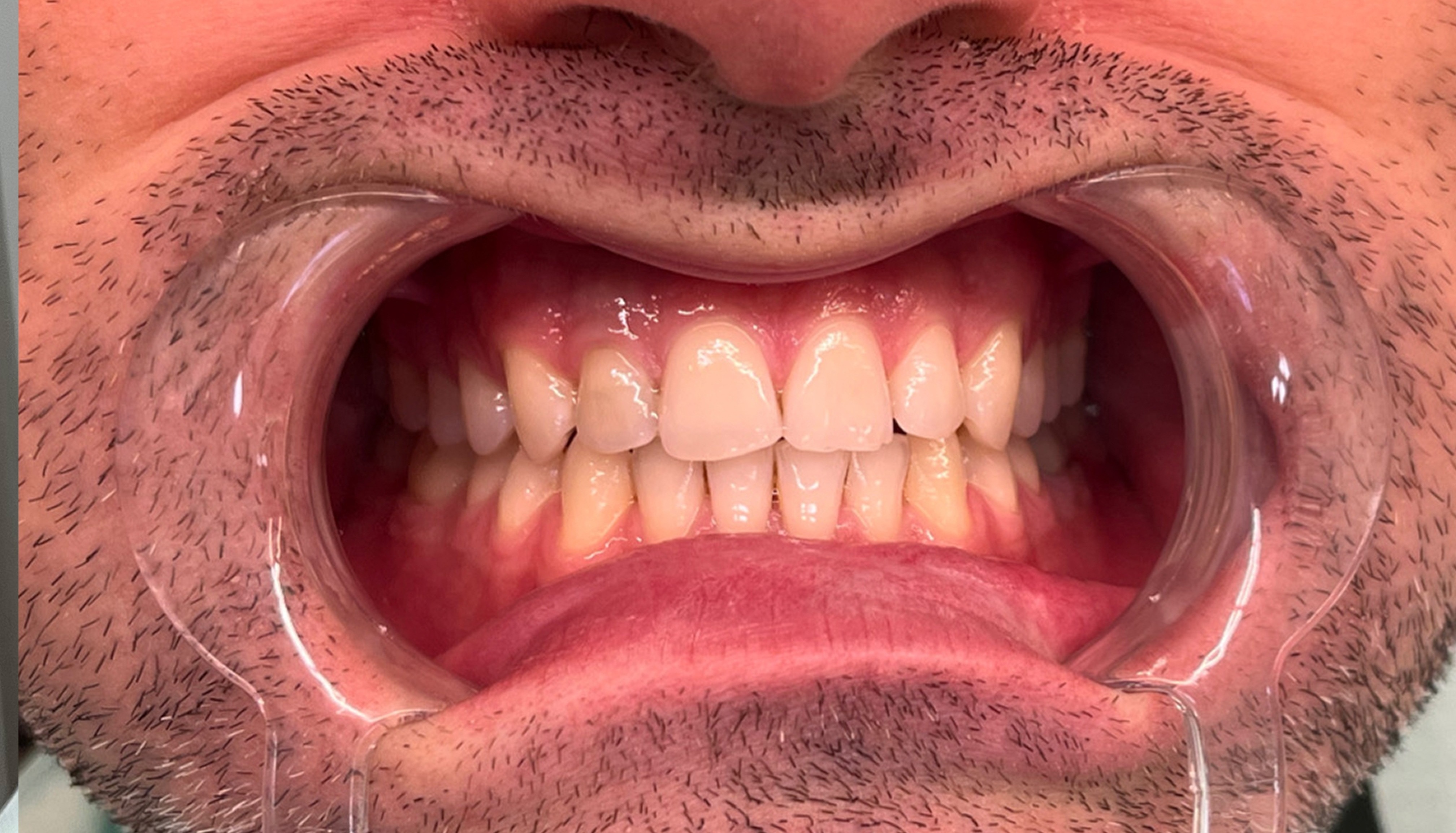
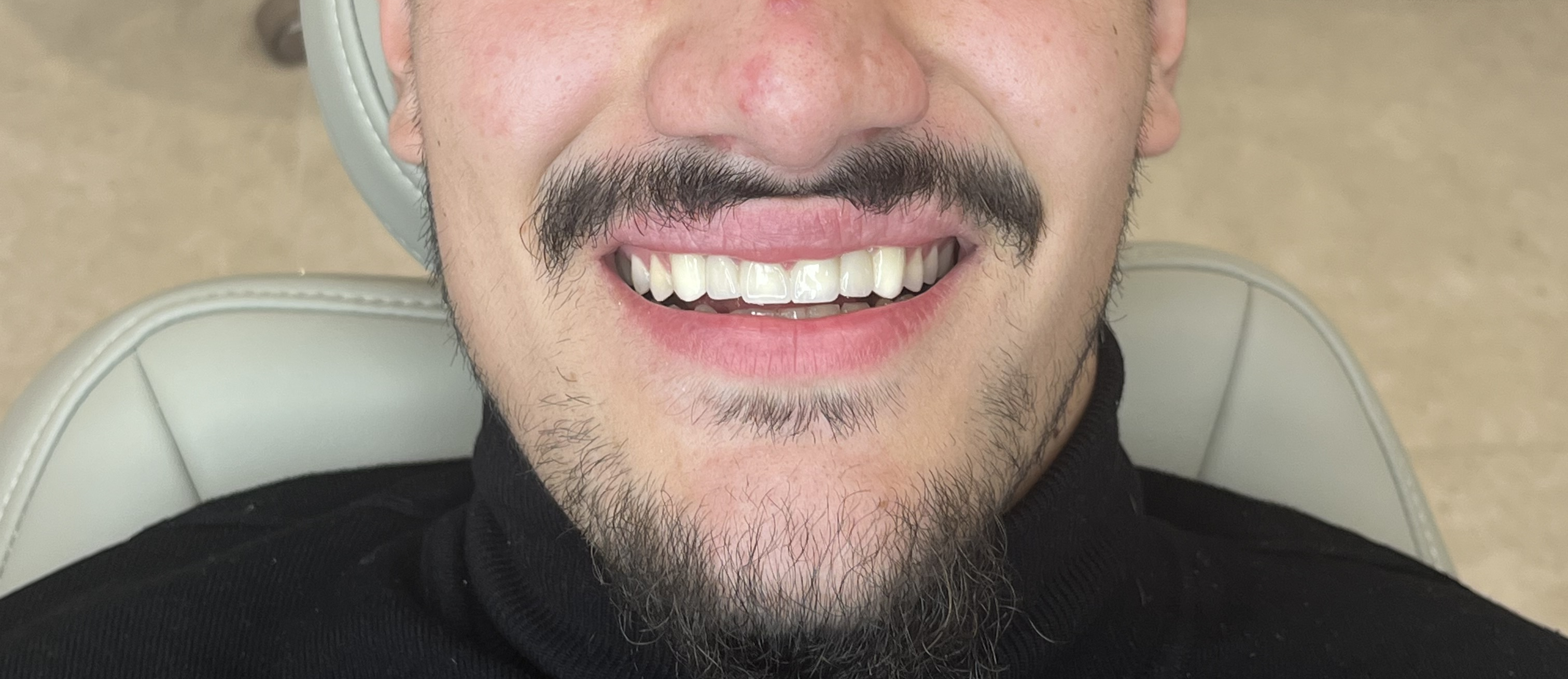
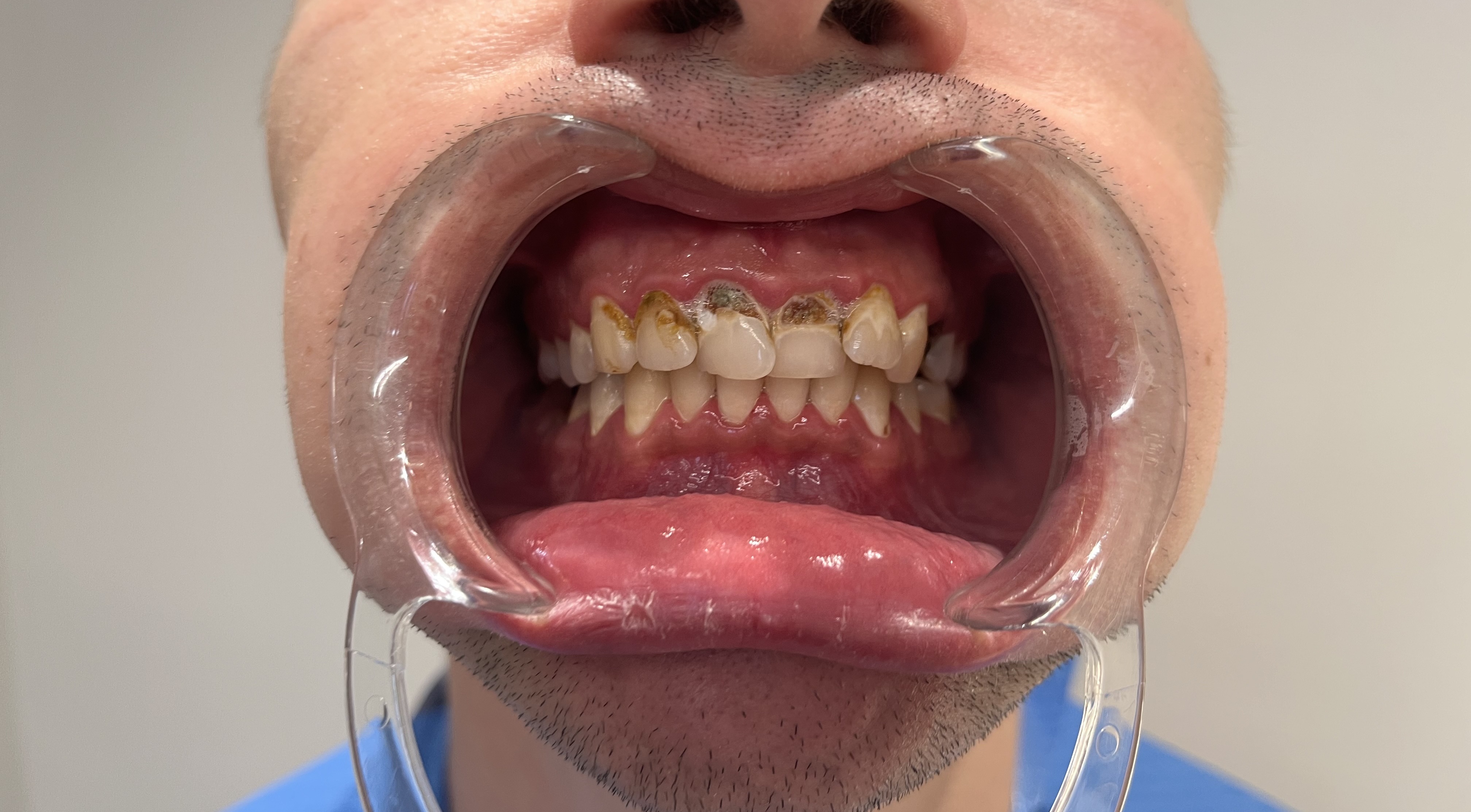
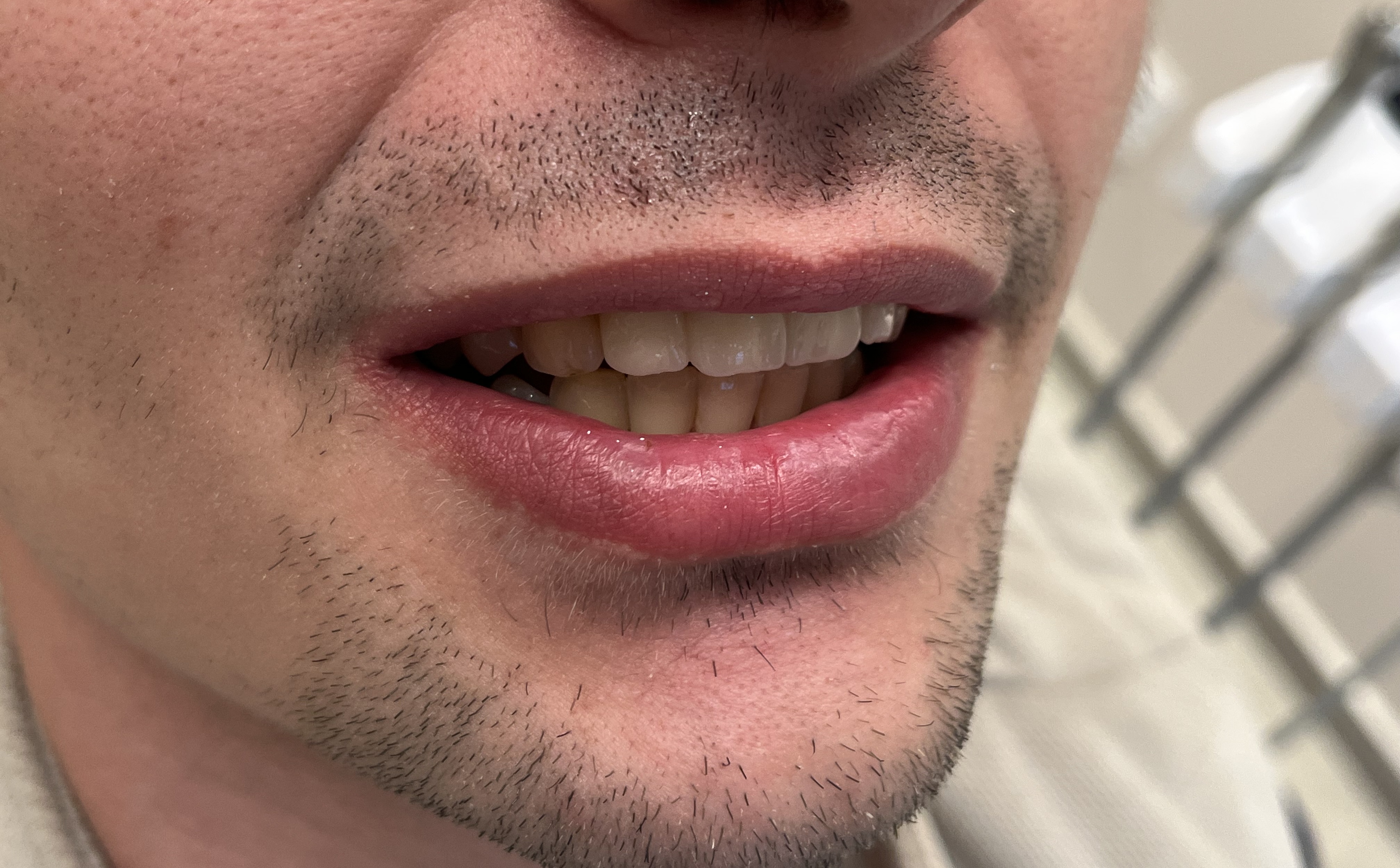
Cosmetic dentistry focuses on improving the appearance of teeth and smiles, while preserving function and overall oral health. The goal is not only a more beautiful smile, but also a natural, balanced and long-lasting result that suits the individual characteristics of each patient.
Cosmetic dentistry focuses on improving the appearance of teeth and smiles, while preserving function and overall oral health. The goal is not only a more beautiful smile, but also a natural, balanced and long-lasting result that suits the individual characteristics of each patient.
Ceramic veneers occupy a special place in cosmetic dentistry. They are an effective solution to problems such as discoloration, small gaps, irregular tooth shape or wear. Veneers are custom-made and provide excellent long-term aesthetic results with minimal removal of natural tooth structure.
Aesthetic procedures are often combined with restorative and prosthetic treatments to ensure full function and long-term stability. Each aesthetic plan begins with a detailed smile analysis and a discussion with the patient to tailor the treatment to their wishes, needs and capabilities.
The goal of cosmetic dentistry is to create a healthy, natural, and confident smile. Well-planned and professionally performed cosmetic treatments improve not only appearance, but also self-confidence and overall quality of life.
Pediatric dentistry is dedicated to preserving the health of children's primary and permanent teeth, with a special approach based on patience, understanding and creating a positive experience for young patients. The goal is to develop healthy oral habits and prevent fear of dental visits from an early age.
Pediatric dentistry includes preventive examinations, monitoring the growth and development of teeth and jaws, and timely treatment of caries, both in primary and permanent teeth. Regular visits allow for early detection of irregularities and prompt therapy, supporting the healthy development of oral structures.
A strong emphasis is placed on preventive measures such as professional cleaning, fluoride treatment and fissure sealing, which significantly reduce the risk of caries. Educating children and parents about proper oral hygiene and nutrition is an important part of each visit and supports long-term dental health.
Treatments for children are performed with maximum care and an age-appropriate approach to ensure comfort and a pleasant experience. Building trust between the child and the dentist lays the foundation for regular examinations and a responsible attitude towards oral health throughout life.
The goal of pediatric dentistry is to maintain dental health, support proper jaw development, and create a positive attitude toward dental care. Proper and timely oral care in childhood is essential for a healthy and beautiful smile in adulthood.
Please don't be surprised by the placeholder text.
.png)
.avif)
.avif)
.png)
.avif)
.avif)